
K-9
Support the paws that enforce the laws
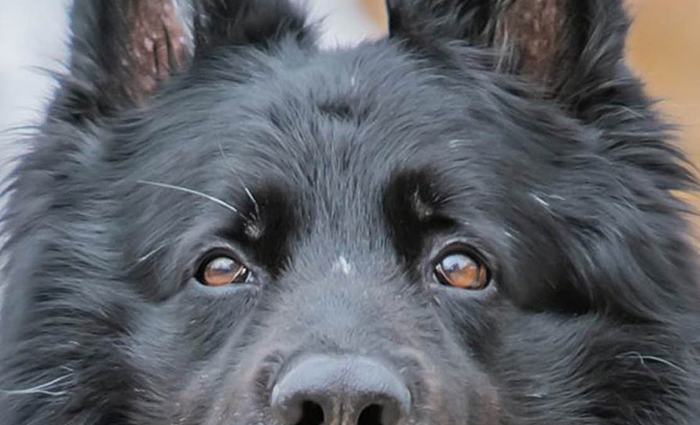 You may have seen us around town, or maybe you haven’t! So here’s your chance to meet your four-legged, furry defenders of the West Windsor Community. Maybe pick up a t-shirt, or a stuffed toy! All proceeds go towards building a better K9 unit for our community.
Meet the Dogs
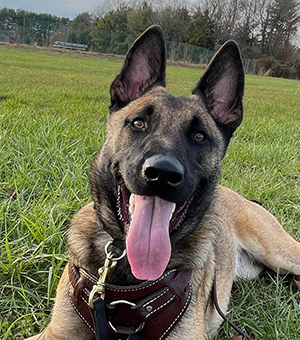 Breed: Belgian Malinois
Age: 6 year old
Handler: Ptl. Pollini
Function: Explosive Detection and Tracking
Favorite: Chasing a ball and Swimming
Dislikes: Being told no
Instagram: @k9phoenix
Contact: pollini@westwindsorpolice.com
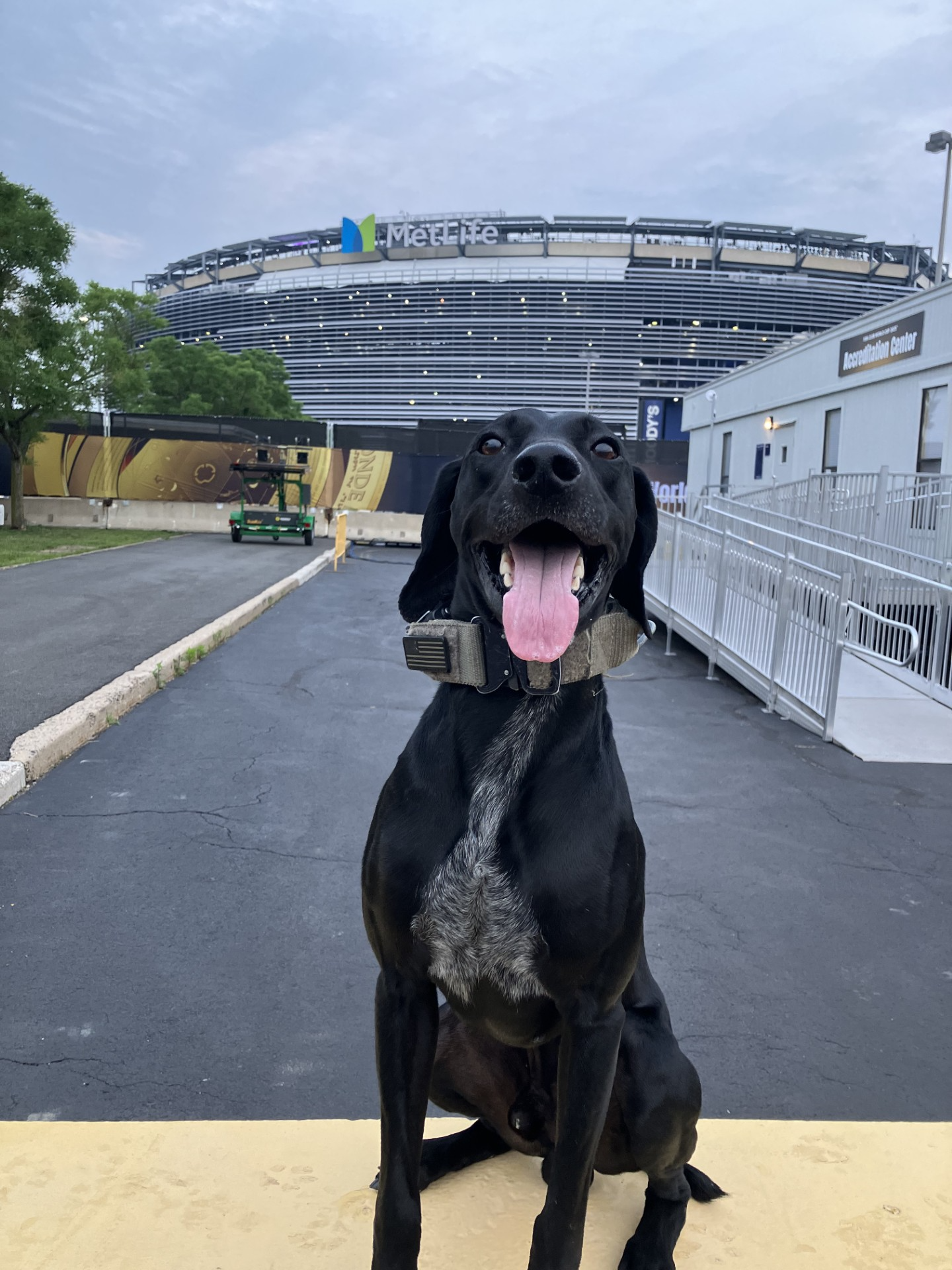 Breed: German Shorthaired Pointer
Age: 3 Years Old
Handler: Ptl. Zicha
Function: Explosive Detection
Favorite: Fetch, running, jumping on coworker’s laps
Dislikes: Sitting still
Contact: Zicha@westwindsorpolice.com
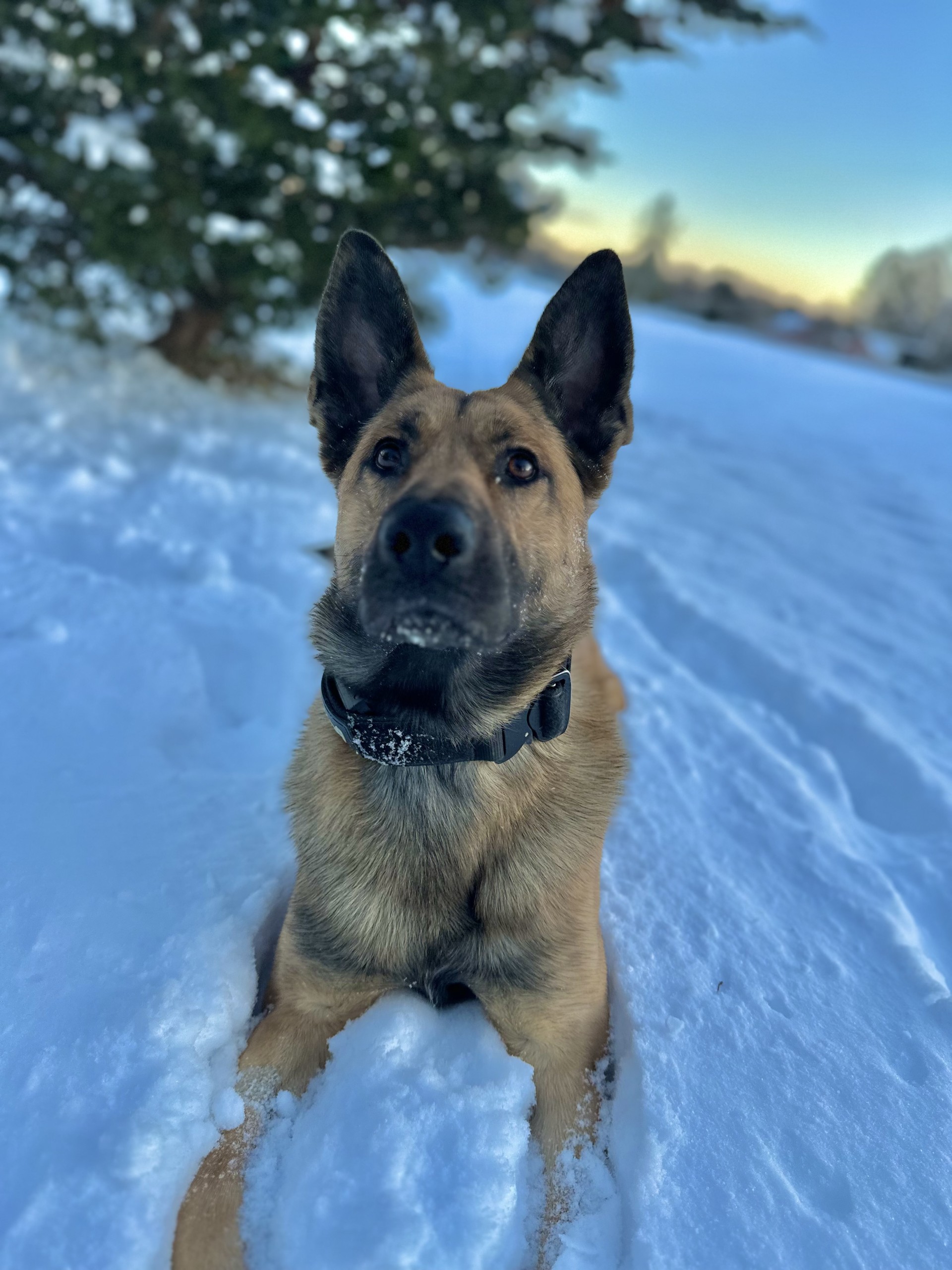 Breed: Belgian Malinois/German Shepherd mix
Age: 2 years old
Handler: Ptl. Hoffman
Function: Narcotic Detection and Tracking
Favorite: Fetch, Tug, Zoomies, repeat.
Dislikes: Baths and being told what to do
Contact: Hoffman@westwindsorpolice.com
Breed: Belgian MalinoisAge: 6 year old
Handler: Ptl. Pollini
Function: Explosive Detection and Tracking
Favorite: Chasing a ball and Swimming
Dislikes: Being told no
Instagram: @k9phoenix
Contact: pollini@westwindsorpolice.com
Breed: German Shorthaired PointerAge: 3 Years Old
Handler: Ptl. Zicha
Function: Explosive Detection
Favorite: Fetch, running, jumping on coworker’s laps
Dislikes: Sitting still
Contact: Zicha@westwindsorpolice.com
Breed: Belgian Malinois/German Shepherd mixAge: 2 years old
Handler: Ptl. Hoffman
Function: Narcotic Detection and Tracking
Favorite: Fetch, Tug, Zoomies, repeat.
Dislikes: Baths and being told what to do
Contact: Hoffman@westwindsorpolice.com